
Can Dogs Eat Strawberries? A Safe, Healthy Treat Guide for Pet Parents
If you’ve ever caught your dog watching you snack on fruit, you’ve probably wondered: Can dogs eat strawberries? Strawberries are sweet, juicy, and packed with nutrients, but does that make them safe for our four-legged friends?
The short answer is yes, dogs can eat strawberries, but like many human foods, they should only be given in moderation and prepared correctly. Strawberries are not toxic to dogs and can even offer health benefits, including antioxidants, fiber, and hydration. However, there are also risks to consider, such as sugar content, choking hazards, and digestive sensitivity.
In this comprehensive guide, you’ll learn:
- Whether strawberries are truly safe for dogs
- The nutritional benefits and potential risks
- How to prepare and serve strawberries correctly
- Portion sizes based on dog size
- Creative and fun ways to feed strawberries
- When strawberries should be avoided altogether
Whether you’re looking for healthier dog treats or simply want to spoil your pup responsibly, this article will help you make informed, vet-approved choices.
Are Strawberries Safe for Dogs?
Yes, strawberries are generally safe for dogs when served fresh, clean, and plain. Unlike grapes or raisins, which are extremely toxic, strawberries do not contain compounds known to cause poisoning in dogs.
That said, “safe” does not mean “unlimited.” Strawberries should always be considered a treat, not a dietary staple. Dogs thrive on balanced commercial or vet-approved homemade diets, and fruits should make up less than 10% of daily calorie intake.
What Makes Strawberries Dog-Friendly?
- Non-toxic
- Soft texture when cut
- Naturally low in calories
- High water content
When Safety Becomes a Concern
- Overfeeding can cause digestive upset
- Whole strawberries can pose choking risks
- Added sugars or syrups are dangerous
Nutritional Benefits of Strawberries for Dogs
Strawberries aren’t just tasty; they also provide several nutritional perks that can support your dog’s overall health when fed responsibly.
Vitamins and Antioxidants
Strawberries contain:
-
Vitamin C, which supports immune health
-
B vitamins are important for metabolism
-
Antioxidants, which help reduce inflammation and oxidative stress
While dogs can produce their own vitamin C, additional antioxidants from natural foods may still provide supportive benefits, especially for aging dogs.
Fiber and Digestive Health
The fiber in strawberries helps:
- Support healthy digestion
- Promote regular bowel movements
- Aid dogs on weight-management plans by increasing satiety
Hydration and Oral Health
Because strawberries are about 90% water, they’re a refreshing snack on warm days. They also contain malic acid, which may help gently reduce surface stains on teeth.
Risks and Precautions to Know
Even healthy foods can cause problems if fed incorrectly.
Natural Sugar Content
Strawberries contain natural sugars. While lower than many fruits, excess sugar can:
- Contribute to weight gain
- Spike blood sugar in diabetic dogs
- Causes gastrointestinal upset
Dogs with diabetes or obesity should only eat strawberries with veterinary approval.
Choking and Digestive Issues
Whole strawberries ,especially with stem s,can:
- Becoa me a choking hazard
- Cause vomiting or diarrhea
- Lead to intestinal blockage in small dogs
Always cut strawberries into bite-sized pieces.
Allergies and Sensitivities
Although uncommon, some dogs may show signs of intolerance:
- Itching
- Excessive licking
- Diarrhea or vomiting
Introduce strawberries slowly and monitor your dog closely after the first serving.
How to Prepare Strawberries for Your Dog
Proper preparation is essential for safety.
Step-by-Step Preparation
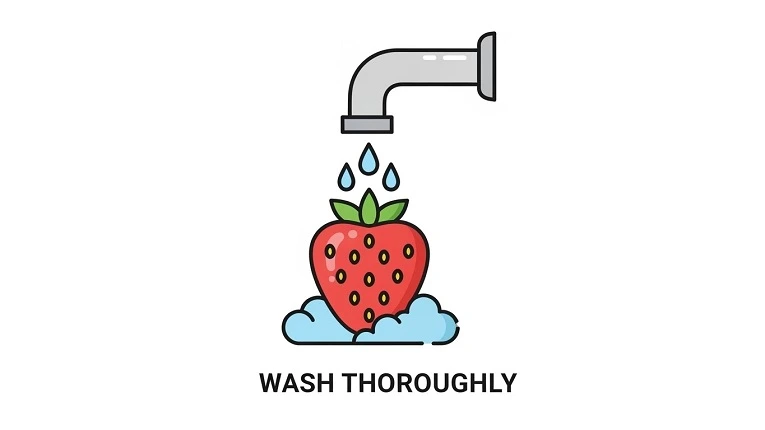
- Wash thoroughly to remove pesticides
- Remove stems and leaves
- Cut into small pieces based on the dog size
- Serve plain,n o sugar, syrup, or seasoning
What to Avoid
- Canned strawberries
- Strawberry syrup or jam
- Strawberries with whipped cream or chocolate
- Artificial sweeteners (especially xylitol)
Portion Size Guidelines
Portion size depends on your dog’s size and health.
| Dog Size | Recommended Amount |
|---|---|
| Small dogs | 1–2 small pieces |
| Medium dogs | 2–3 strawberries |
| Large dogs | 3–5 strawberries |
Treats, including fruit, should never exceed 10% of daily calories.
Creative Ways to Serve Strawberries to Dogs
Strawberries don’t have to be boring!
Frozen Strawberry Treats
Freeze sliced strawberries for:
- Summer cooling snacks
- Teething puppies
- Slower eating
Strawberry & Yogurt Mix
Mash strawberries into plain, unsweetened yogurt (small amounts only). This makes a probiotic-friendly treat for dogs who tolerate dairy.
Training Treats
Tiny strawberry cubes can work as low-calorie training rewards, especially for dogs motivated by variety.
When Dogs Should Avoid Strawberries
Strawberries may not be suitable if your dog has:
- Diabetes
- Obesity
- Chronic gastrointestinal issues
- Known fruit allergies
Always consult your veterinarian if your dog has underlying health conditions.
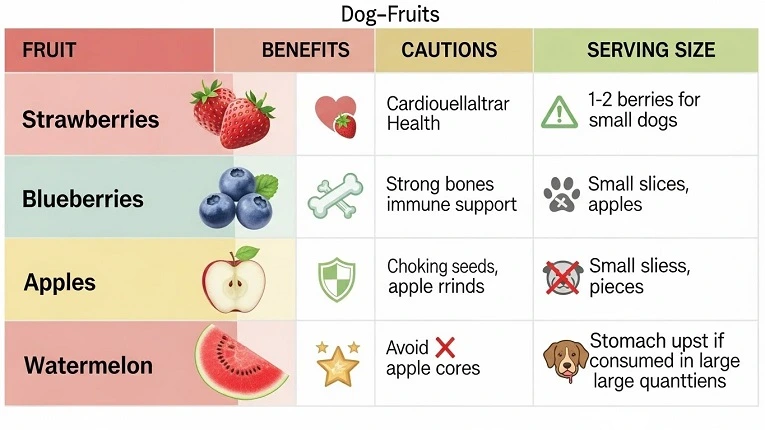
Strawberries vs. Other Dog-Safe Fruits
Dog-Safe Fruits
- Strawberries
- Blueberries
- Apples (no seeds)
- Watermelon (no rind or seeds)
- Bananas (very limited amounts)
Fruits to Avoid
- Grapes
- Raisins
- Cherries
- Citrus in excess
Signs Your Dog Likes or Dislikes Strawberries
Positive Signs
- Eager eating
- Tail wagging
- No digestive issues
Negative Signs
- Vomiting
- Diarrhea
- Lethargy
- Itching or swelling
Stop feeding immediately if negative symptoms appear.
Conclusion
So, can dogs eat strawberries? Absolutely, when served responsibly. Strawberries can be a refreshing, nutrient-rich treat that adds variety to your dog’s diet without excessive calories. They’re especially useful as seasonal snacks, frozen treats, or healthy training rewards.
However, moderation and preparation are everything. Always wash strawberries thoroughly, remove stems, cut them into safe sizes, and serve them plain. Be mindful of sugar content, particularly for dogs with diabetes or weight concerns, and stop feeding immediately if you notice any adverse reactions.
Every dog is different, and what works well for one may not suit another. When in doubt, consult your veterinarian before introducing new foods. With thoughtful choices, you can safely share life’s little pleasures, like strawberries, with your furry best friend.
Frequently Asked Questions
1. Can puppies eat strawberries?
Yes, in very small pieces and limited amounts, once they’re eating solid food.
2. Are frozen strawberries safe for dogs?
Yes, frozen strawberries are safe and make great cooling treats.
3. Can strawberries clean a dog’s teeth?
They may help reduce surface stains, but they do not replace brushing.
4. How many strawberries can a dog eat per day?
Depends on size, generally 1–5 strawberries maximum.
5. Are strawberry leaves toxic to dogs?
They’re not toxic but can cause stomach upset and should be removed.