
Pet Mouse Care Guide UK: Housing, Diet and Handling
Mice are small, quick and endlessly busy. Give them a well set up cage and they will spend their evenings climbing, digging, building nests and searching for scattered food. They are not cuddly pets and do not usually enjoy being picked up. They live one and a half to three years, so a hunched, quiet mouse needs a vet the same day. This guide covers choosing your mice, setting up their home, feeding them, handling them safely and spotting health problems early. It follows current guidance from the RSPCA, PDSA and Blue Cross, and it is general advice only. If a mouse looks unwell, speak to a vet who treats small pets.
Are mice the right pet for you?
Mice are lively, intelligent creatures that love to explore, and they are most active at dusk, through the night and at dawn. If the cage sits in a bedroom, the sound of a wheel turning at 2am will wake a light sleeper, so a quiet corner of a living room or a spare room usually works better. They are prey animals, so sudden movements and loud noises frighten them, and young children should always be supervised around them. An adult should take overall responsibility for their care. Mice are cheap to buy and feed, and a pair fits into a home that could never hold a larger pet. If you want a pet that enjoys being held, rats are a better fit: see our rat care guide.
Keeping mice in pairs or groups
Mice are very sociable animals and they need company of their own kind to stay happy. A mouse kept alone can become lonely and stressed, and in extreme cases may start to over-groom or bite itself. Never keep a single mouse by choice. Females are the easiest group: they get on well in pairs or small groups and usually accept an unfamiliar female.
A pair or small group of male mice may get on well if they are siblings who have lived together since birth, but males from different litters should not be introduced, as they are likely to fight. A mixed pairing works if the male is neutered first, or the female will become pregnant. Females can become sexually mature from as young as five weeks old, so the sexes must be correctly identified and separated early. Do not mix mice with pet rats or other rodents, as rats may attack and kill mice.
The right cage for pet mice
Most cages sold in pet shops are not nearly big enough, so check the measurements before you buy. Blue Cross recommends at least 80cm by 50cm of floor space, by 50cm tall, for two mice, and a larger group needs more room. Height matters as much as floor space, because mice climb and they need deep bedding for burrowing. A wire cage with a solid plastic tray floor is usually the best choice.
Barred cages give good airflow, which matters because poor ventilation can lead to breathing problems, but the bars must be no more than 6mm apart or a mouse will squeeze through. Glass tanks need a secure wire lid and ventilation holes; deep aquariums trap stale air. Wooden cages absorb urine and quickly become smelly, and wire mesh floors hurt a mouse’s feet, so choose a solid floor every time. Keep the room between 18 and 22°C, away from draughts, sunlight and other pets.
Bedding and nesting
Mice need a deep layer of bedding, both to absorb urine and to let them burrow, which is one of their strongest natural behaviours. Wild mice build complex tunnel systems, and pet mice will do the same if the bedding is deep enough. Aim for at least 15 to 20cm of bedding across the cage floor, deeper in one corner if you can manage it.
Paper-based or card-based bedding is the safest choice, and dust-extracted bedding is best for their delicate respiratory systems. Blue Cross advises against wood-based and scented bedding, and the PDSA warns that wood shavings and sawdust can cause breathing problems, so avoid cedar and pine shavings altogether. Never use fluffy cotton-style nesting material, as it can be swallowed or tangle around tiny feet and toes. Shredded paper, tissue and hay make safe nesting material. Spot clean daily and fully clean every one to two weeks, keeping a third of the old bedding for familiar scent.
What do pet mice eat?
A good quality commercial mouse mix from a pet shop is the basis of the diet, and there are two main types. A muesli-style mix gives variety, but mice may pick out favourite bits and leave the rest. Pellets contain the same nutrients in every piece, so a mouse cannot cherry-pick, which makes them a safer choice for a fussy eater.
Scatter the daily food around the cage instead of putting it in a bowl, as mice love to rummage and forage, and scatter feeding turns mealtimes into enrichment. Fresh vegetables and fruit can be offered in small amounts, along with occasional protein such as a mealworm or a little cooked egg. Small pieces of apple, carrot or leafy greens make safe extras, and treats should be tiny, as mice gain weight easily. Some foods are dangerous and must be kept away from mice, including grapes and rhubarb, and cheese is not part of a healthy mouse diet. Fresh water must be available at all times, from a water bottle and a shallow bowl.
Enrichment: wheels, tunnels, climbing and gnawing
A bare cage makes a bored mouse, and boredom in mice can lead to repetitive behaviours such as bar chewing, which are a sign of poor welfare. Enrichment is not optional, it is part of basic care. They need to exercise, forage, climb and interact calmly with cage mates.
A solid exercise wheel is the single most useful item. It should be at least 8 inches (21cm) in diameter so a mouse can run without bending its back, and it must have no gaps or holes where a tail or leg could catch. Add tunnels and tubes, cardboard or plastic, for exploring and hiding, plus ladders, ropes and a fruit tree branch for climbing. Shelves and dividers make mice feel secure. Chew toys matter too, because a mouse’s front teeth grow constantly: untreated apple wood, seagrass, cardboard and pumice stone all work well.
Handling your mice
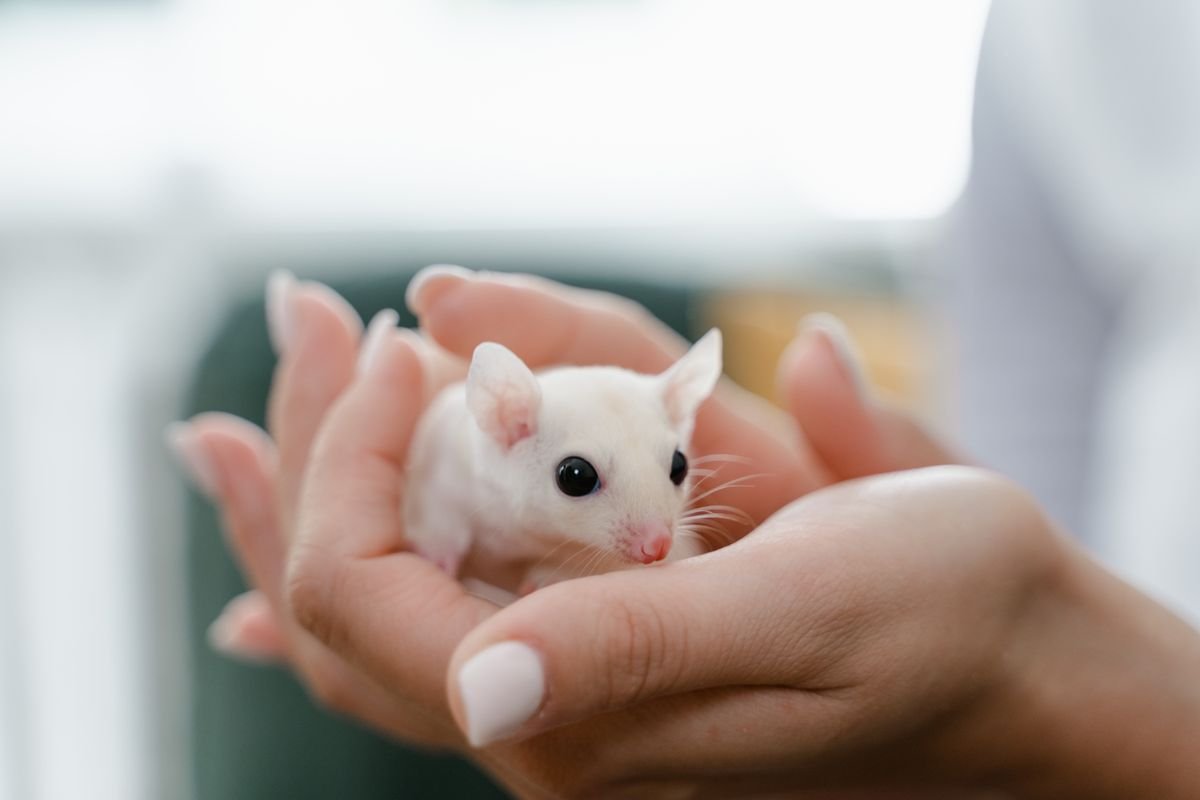
Mice find being caught and handled stressful, so keep sessions short and gentle. Let them investigate your hand first, offering a treat from your palm. The cupped hands technique works best: scoop the mouse up with one or both open hands and let it sit or walk across them, keeping your hands low over a surface in case it jumps.
If you need to restrain a mouse briefly, hold it gently at the base of the tail, close to its body, while supporting its body with your other hand. Never pick a mouse up by the tip of its tail and never scruff it, as both can cause injury and serious distress. Get your mice used to being handled from a young age, even if you do not plan to handle them often, as you will need to pick them up for vet visits and cage cleaning.
Common health problems and vet costs
Mice hide illness well and can deteriorate very fast, so watch for changes in behaviour every day. Take your mouse to a vet at once if it stops eating or drinking, hides more than usual, breathes heavily, sneezes, looks hunched, loses weight or develops a lump.
The most common problems are dental disease, respiratory infections, skin problems and tumours. A mouse’s front teeth grow throughout its life, so overgrown teeth can cause difficulty eating, drooling and weight loss. Respiratory problems often show as sneezing, chattering or a head tilt. Skin problems can come from parasites or barbering, where one mouse chews another’s fur. Tumours are unfortunately common in mice, especially mammary tumours, and they can grow quickly. A standard consultation for a small pet typically costs around £40 to £60 at a UK vet practice, with some practices charging about £44 for hamsters, gerbils and rats, and neutering a male mouse costs roughly £40 at a rescue charity’s vet. Find a vet that treats small pets before you need one in a hurry.
How much does keeping pet mice cost?
Mice are one of the cheapest pets to keep, but the costs still add up. A pair of mice costs £10 to £30 to buy, and a proper setup costs roughly £70 to £145 before you bring them home, while food and bedding cost around £10 to £15 a month for a small group. Vet bills are the unpredictable part: a single consultation is around £40 to £60, and treatment for a respiratory infection or dental problem can cost several times that, so keep a small emergency fund or consider insurance.
Is a pet mouse right for you?
Mice suit an owner who enjoys watching animals more than cuddling them. They are active, curious and full of character once they settle in, and a well set up cage with deep bedding, climbing branches and a good wheel gives them a genuinely good life. Keep them in a same-sex pair or group, feed a proper mouse mix with fresh water every day, handle them gently and briefly, and learn their normal behaviour so you notice illness early. Still deciding? Compare our rabbit care guide, hamster care guide and gerbil care guide.
Related reading
Rat Care Guide UK: Housing, Diet, Handling and Costs
Hamster Care Guide UK: How to Look After a Hamster (2026)
Gerbil Care Guide UK: Housing, Diet, Handling and Costs
Guinea Pig Care Guide UK: How to Look After Guinea Pigs (2026)